

Professional waste administration stays a crucial concern for contemporary facilities. Effective handling not merely guarantees submission with rules but also promotes office security and operational productivity. Certainly one of the most truly effective solutions in professional spend disposal is the use of tipping container (tippcontainer). These bins give a organized, reliable way to control large quantities of spend, minimize information work, and reduce functional downtime.
What Are Tipping Bins?
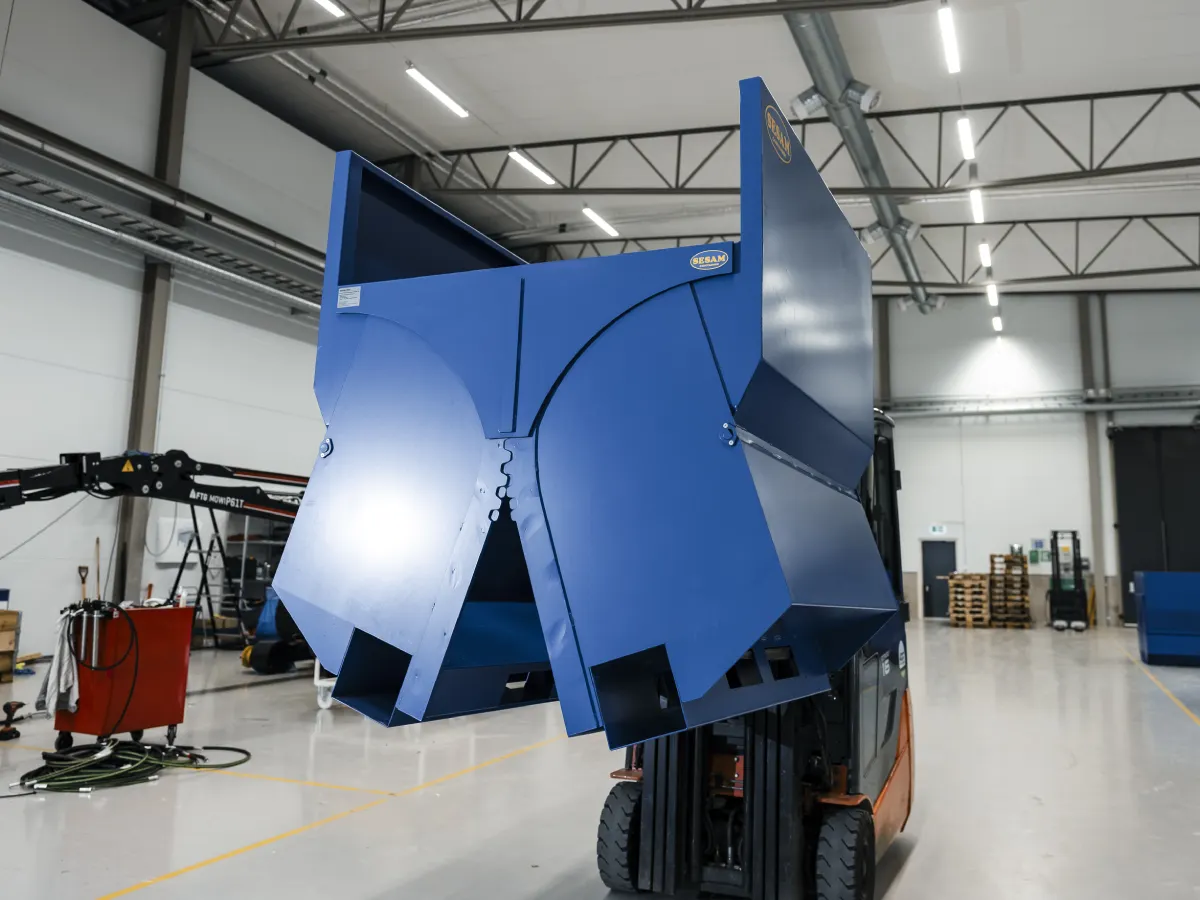
Tipping bins, occasionally called tipper bins, are sturdy commercial containers designed for secure collection, transportation, and disposal of major spend materials. They are engineered to be suitable for forklifts or specialized tipping elements, allowing majority waste to be emptied successfully into processing places, compactors, or spend transportation vehicles.
Why Are They Essential in Industrial Spend Administration?
Statistics suggest that features applying tipping pots lower handbook managing injuries by around 40%. Additionally, the structured disposal process increases overall functional efficiency, allowing team to focus on core production tasks as opposed to waste handling. These containers are particularly helpful in industries generating large or heavy spend, including production, structure, and logistics sectors.
Important Options that come with Successful Tipping Containers
Durability: High-grade material and strengthened structures handle heavy masses without deformation.
Easy Use: Ergonomic design facilitates quick tipping and little manual effort.
Safety Mechanisms: Sealing methods and anti-spill features minimize accidents throughout transportation and disposal.
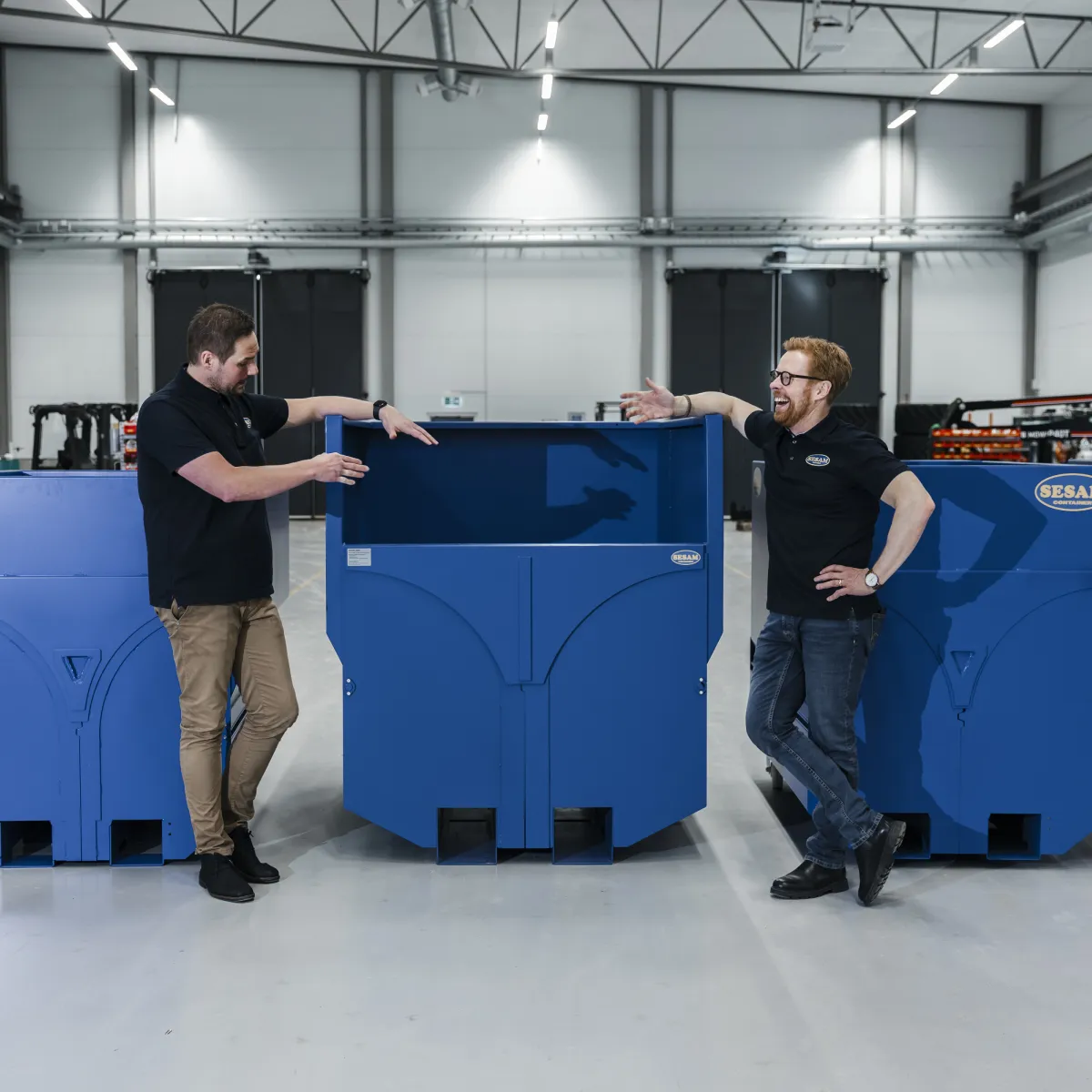
Custom Capacity Options: Containers range from little 0.5 m³ bins to big 5 m³ bins, according to industrial needs.
Functional Benefits
Reduced Labor Prices: Automatic tipping minimizes the workforce required for heavy lifting.
Improved Security: Professional incident statistics display a 25–30% lowering of workplace accidents when tipping bins are utilized correctly.
Improved Spend Organizing: Specialized bins allow segregation of harmful and non-hazardous waste.
Faster Turnaround: Spend could be gathered, transferred, and disposed of quicker, lowering downtime in creation areas.
Tips for Selecting the Proper Tipping Container
Evaluate the type and fat of waste generated.
Guarantee compatibility with current lifting or tipping equipment.
Prioritize pots with corrosion-resistant films for longevity.
Consider regional rules on professional waste administration for compliance.
Conclusion
Tipping containers really are a cornerstone of contemporary professional spend administration, combining security, performance, and reliability. By adopting these containers, facilities not merely increase working performance but also foster a safer workplace environment. Data regularly implies that industries establishing tipping containers report measurable changes in production and employee safety.